

• Telling China's Stories to the World

    Talking about home, school, food and cultural festivals – spoken English for ages 7–12.

    Telling China's Stories

    Talk about the life you already know.

The primary courses within our extra-curricular “Telling China's Stories to the World” programme give students the opportunity to talk about the life they already know: their family, school day, the world around them and their unique culture. The focus is spoken English – helping students to talk fluently about their everyday life.

Four primary students sit at desks with a teacher standing, pointing to a map on the desk

The topics and target language relate to everyday life in Macao and mainland China. Students describe the key people in their lives, what they eat, where they go, their hobbies and what they see around them. The language is aligned to Trinity GESE Grades 1–2 for lower primary and Grades 3–4 for upper primary. 

Teaching approach

Primary students learn best when the language is tied to something they can see and talk about. Lessons focus on home and school life, daily routines and familiar places nearby. 

The first few lessons cover daily life, the time, can and can’t, simple directions and describing people, animals and objects. At upper primary level, later lessons move into past events, going to, likes and simple comparisons. Students practise asking questions as well as answering them. 

From the middle of the course, students have dedicated time to prepare their own topic presentations. They practise using the language they have studied to present to their teacher and classmates. 

These courses are delivered by qualified Native English-speaking Teachers (NETs). 

Programmes

First Speakers: Trinity GESE Grades 1–2

Learners: The starting course for younger or newer primary classes
Format: 15 lessons × 60 minutes  
Trinity aim: Grade 1 conversation after lesson 8, or Grade 2 after lesson 15 

 
Students practise

  • Greeting, saying their name and age, and saying goodbye 
  • Naming everyday objects, colours, numbers, animals and clothes 
  • Talking about family, home and pets: This is my brother. I’ve got a cat. 
  • Saying where things are: The book is under the desk. 
  • Following simple instructions and answering questions in a short Grade 1 or 2 conversation 

By the end of the course, students can

  • Greet and introduce themselves in full sentences 
  • Name people, objects and places they see every day 
  • Use simple present and have got for facts about their life 
  • Ask one short question and understand the answer 
  • Sit a short Trinity GESE Grade 1 or 2 conversation if the school chooses to enter 

Student competitions 

  • Students show how much they have learned by talking about their everyday lives at the School Competition in May.
  • Selected students go on to the Grand Macao-wide Final in July.

Benefits for schools 

  • A spoken-English course that fits existing primary routines 
  • Observable can-do checks after lessons 8 and 15 
  • Lessons delivered by trained NET teachers 
  • Materials that stay at young learner level – local everyday settings, no long memorised texts 

Benefits for learners 

  • Confidence to speak in front of others from the first weeks 
  • Familiar pictures and real objects so the language sticks 
  • A habit of asking as well as answering 
  • Language for the people, places and festival days students already know 

Everyday Speakers: Trinity GESE Grades 3–4

Learners: The main primary course
Format: 15 lessons × 60 minutes  
Trinity aim: Grade 3 conversation after lesson 10, or Grade 4 topic + conversation after lesson 15 

 
Students practise

  • Talking about family, home, their school day and the food they eat 
  • Giving simple directions and saying what people are doing 
  • Describing a festival day or a trip: Last Saturday I went to the park. 
  • Saying what they like and how often they do it 
  • Preparing four short points for a Grade 4 topic and answering two follow-up questions 

By the end of the course, students can

  • Hold a short conversation about routines, places and recent events 
  • Ask a classmate or the teacher a question and listen to the answer 
  • Use present continuous, past simple and going to in full sentences 
  • Talk about a familiar picture for one minute without reading a script 
  • Sit a Trinity GESE Grade 3 or 4 exam if the school chooses to enter 

Student competitions 

  • Students share stories of home, school or festival days at the School Competition in May – a chance to take pride in their growing confidence.
  • Selected speakers go on to the Grand Macao-wide Final in July.

Benefits for schools 

  • A speaking-first programme that complements existing primary English lessons/classes 
  • Clear can-do checks and two in-course speaking points (lessons 10 and 15) 
  • Consistent delivery by trained NET teachers 

Benefits for learners 

  • Confidence to talk about their own home, school and festival days 
  • A habit of asking questions, not only answering them 
  • Full sentences that sound natural, not like lines from a textbook 
  • A prepared topic they can explain without memorising a paragraph 

Student Celebration and Recognition Events

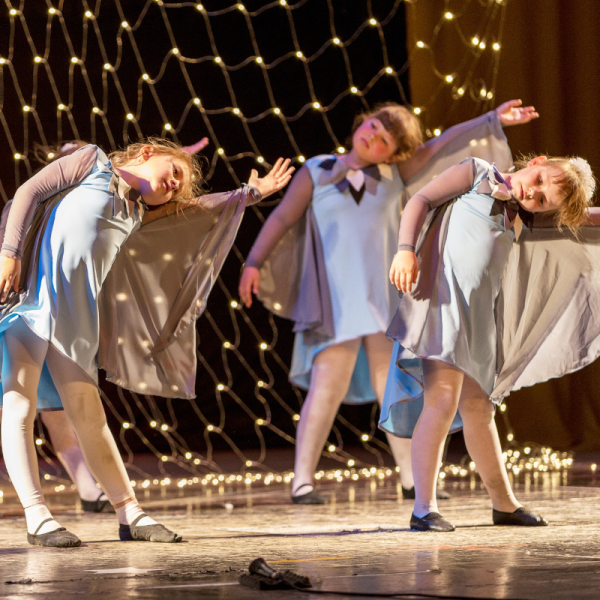
Primary students put their growing speaking skills into practice at the end-of-year Telling China's Stories events. Younger learners share simple descriptions, while more experienced speakers present a prepared topic and answer follow-up questions. Each partner school holds a School Competition in May, with selected students going on to the Grand Macao-wide Final in July. The Grand Macao-wide Final is organised by the English for Asia Teachers Association of Macao (EfATAM).

Find out more about the events

Enquire now

  • 1.
  • 2.
  • 3.

Submit the form

Chat to our team at your convenience

Get started

Submit the form and one of our team will be in touch.

How can we help
Student level(s)
Back to top